About Ben
Forester, farmer, and ecological thinker. Based in Whitmore Lake, Michigan.
The combination of farming roots, a forestry degree, and a genuine interest in how land systems work is what makes this practice different from most consulting foresters operating in southeast Michigan.
Background
I have been farming my whole adult life. That's the beginning of this, and it's the thing that shapes everything else, the way I look at land, the way I think about time, the way I understand that what you do to a piece of ground today shows up for decades. Farmers think in long cycles. That's a useful thing to bring to forestry.
I graduated with a forestry degree in May 2026, which formalized a lot of what I'd already been working toward, the technical side of forest management, the science of tree physiology and stand dynamics, the regulatory and certification landscape that matters to private landowners trying to access government programs.
But the education I got in school sits on top of the education you get from growing things and managing land for years before anyone calls you a professional. I understand agricultural systems, soil, drainage, and the economics of small-acreage operations in a way that most foresters don't.
That combination is the whole point of this practice. Southeast Michigan's private woodland owners don't just need someone who can mark timber. They need someone who can look at 80 acres and see what it is, what it could be, and what a realistic path from here to there looks like. That's what I do.
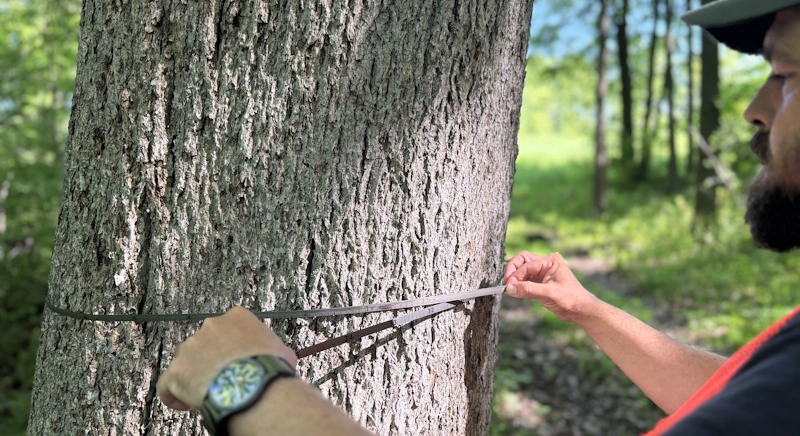
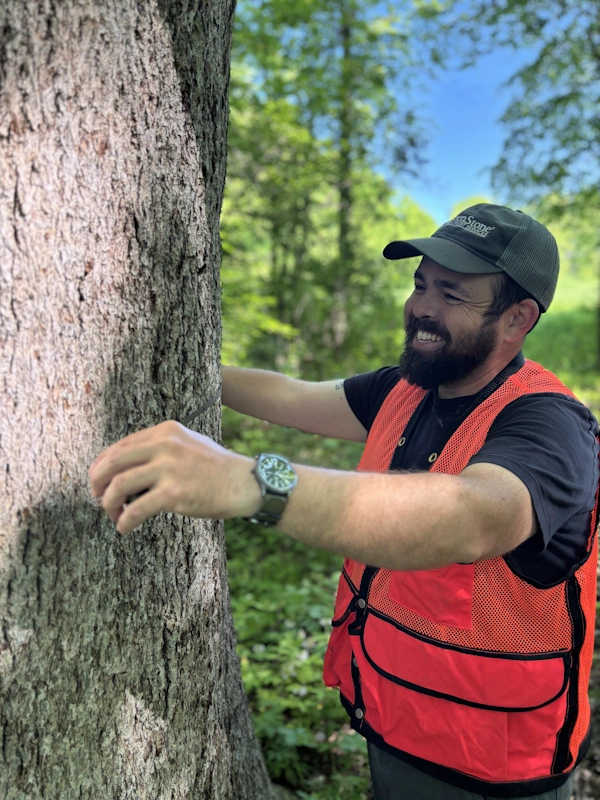
"The farmers I grew up around understood their land as a system. That's what I try to bring to forestry work — not just what the trees are worth, but what the whole place is capable of."
— Ben Kasmenn
How I Work
A few principles that shape every project.
Small-acreage specialist
The 5–500 acre range is the focus here — not because larger properties aren't interesting, but because I know this scale well and I do it well. I'm not pretending to be something I'm not, and I'm not stretching to work at a scale that doesn't fit my equipment or my bandwidth.
Long-term relationships over one-off jobs
A forest management plan is a 10–20 year document. The best work happens when I know your land over time — what changed, what worked, what needs adjusting. I'm more useful as a recurring relationship than as a one-time consultant.
Ecological outcomes, not just timber
Timber revenue is real and it matters to landowners. But a timber sale that leaves the woods in worse shape than it started isn't good forestry. Every project accounts for what the land needs — invasive pressure, species diversity, habitat quality — alongside what it can produce.
The whole property, not just the trees
Woodland health is connected to how the whole property is managed — the fields, the edges, the wetlands, the drainage. I look at the whole picture and give recommendations that account for how everything interacts.
Credentials
For private landowners participating in NRCS cost-share programs, the Qualified Forest Program, or other government assistance, a certified or registered forester is typically required to prepare or co-sign management plans. Here's where things stand.
- Michigan Registered Forester Registration pending — in process following May 2026 graduation
- Society of American Foresters SAF Member, 2026
- Michigan Association of Consulting Foresters MACF Member
- International Society of Arboriculture ISA Certified Arborist — in progress
Credentials are listed as they actually stand. No overclaiming. If you have questions about what's required for a specific program, ask — that's part of the consultation.
Why credentials matter for landowners
Many government cost-share programs — including NRCS EQIP, the Qualified Forest Program (QFP) for Michigan property tax incentives, and various state forestry assistance programs — require that forest management plans be prepared or approved by a registered or certified forester.
Working with a credentialed forester from the beginning means your plan will meet those requirements — which can mean thousands of dollars in program eligibility.
Want to work together?
The best way to find out if there's a good fit is to have a conversation. Schedule a free call — you describe the land and what you're hoping to do, and we go from there.
Schedule a Free Call